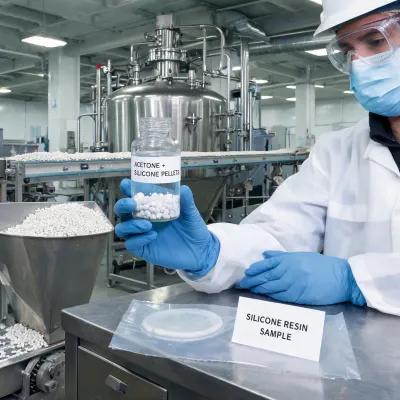
does acetone dissolve silicone
Typical release documentation includes grade identity, tested specification, storage guidance, and SDS Section 2 hazard classification.
Ineos presents resin options by business line, application need, and documentation status so procurement, R&D, and EHSS teams can review the same facts before trial approval.

Ineos product review starts with the application boundary, not only a grade name. A purchasing team may need contract availability, while a development chemist needs melt flow, viscosity, residual monomer, moisture, or compatibility data. EHSS teams may need current SDS language, and quality teams may need the exact test method behind a COA value. This portfolio page keeps those conversations connected. Each product family should be assessed with the destination market, intended use, storage condition, and qualification gate in view. No website text should replace the current SDS, TDS, or written specification for a selected grade.
Request SDS, TDS, COA alignment, and regional availability review before sampling.
Typical release documentation includes grade identity, tested specification, storage guidance, and SDS Section 2 hazard classification.
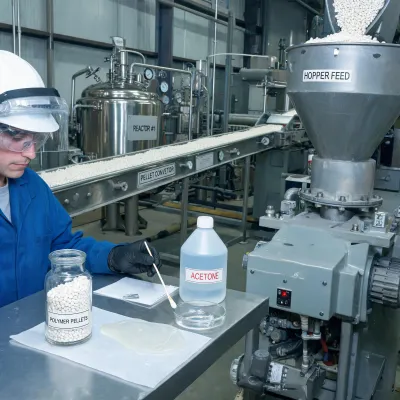
Typical release documentation includes grade identity, tested specification, storage guidance, and SDS Section 2 hazard classification.

Typical release documentation includes grade identity, tested specification, storage guidance, and SDS Section 2 hazard classification.
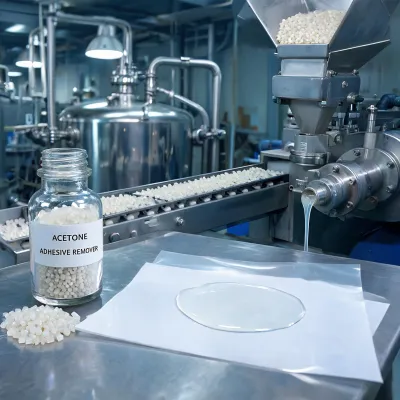
Typical release documentation includes grade identity, tested specification, storage guidance, and SDS Section 2 hazard classification.
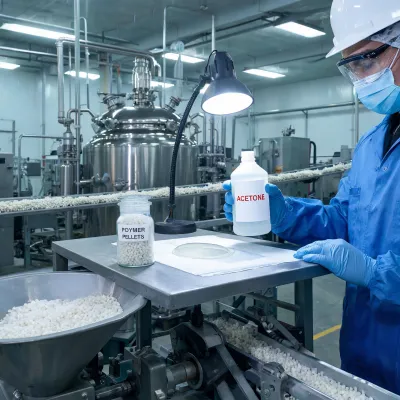
Typical release documentation includes grade identity, tested specification, storage guidance, and SDS Section 2 hazard classification.
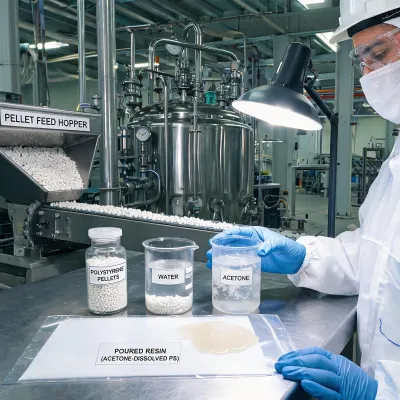
Typical release documentation includes grade identity, tested specification, storage guidance, and SDS Section 2 hazard classification.
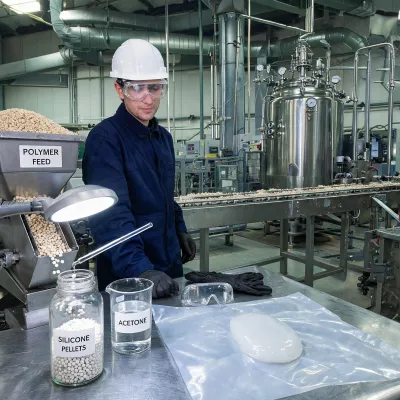
Typical release documentation includes grade identity, tested specification, storage guidance, and SDS Section 2 hazard classification.

Typical release documentation includes grade identity, tested specification, storage guidance, and SDS Section 2 hazard classification.
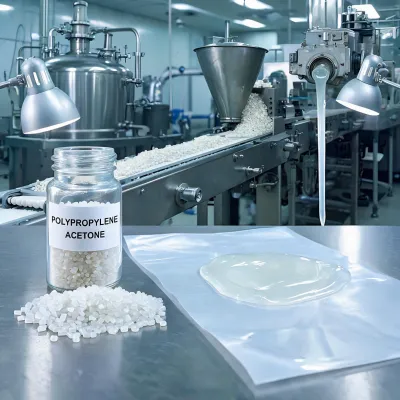
Typical release documentation includes grade identity, tested specification, storage guidance, and SDS Section 2 hazard classification.
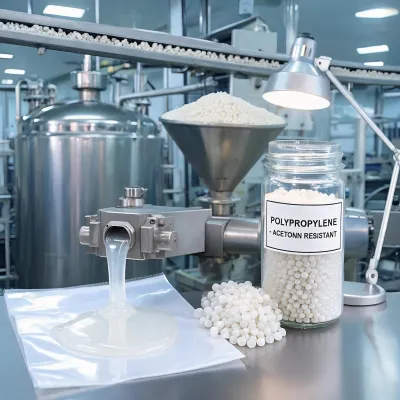
Typical release documentation includes grade identity, tested specification, storage guidance, and SDS Section 2 hazard classification.
Typical release documentation includes grade identity, tested specification, storage guidance, and SDS Section 2 hazard classification.
Typical release documentation includes grade identity, tested specification, storage guidance, and SDS Section 2 hazard classification.