2025 Sustainability Report
Includes Scope 1 and Scope 2 methodology, energy intensity, safety indicators, and site-level improvement examples.
Request reportIneos organizes sustainability information around reports, methods, and customer-use questions. Chemical customers need to know whether a claim is based on cradle-to-gate data, mass-balance accounting, renewable electricity certificates, process improvements, or supplier declarations. This page frames environmental and responsible-care topics as documents that can be reviewed, challenged, and updated. Claims about biodegradability, recycled content, or carbon intensity are only useful when the boundary, test method, and date are visible.
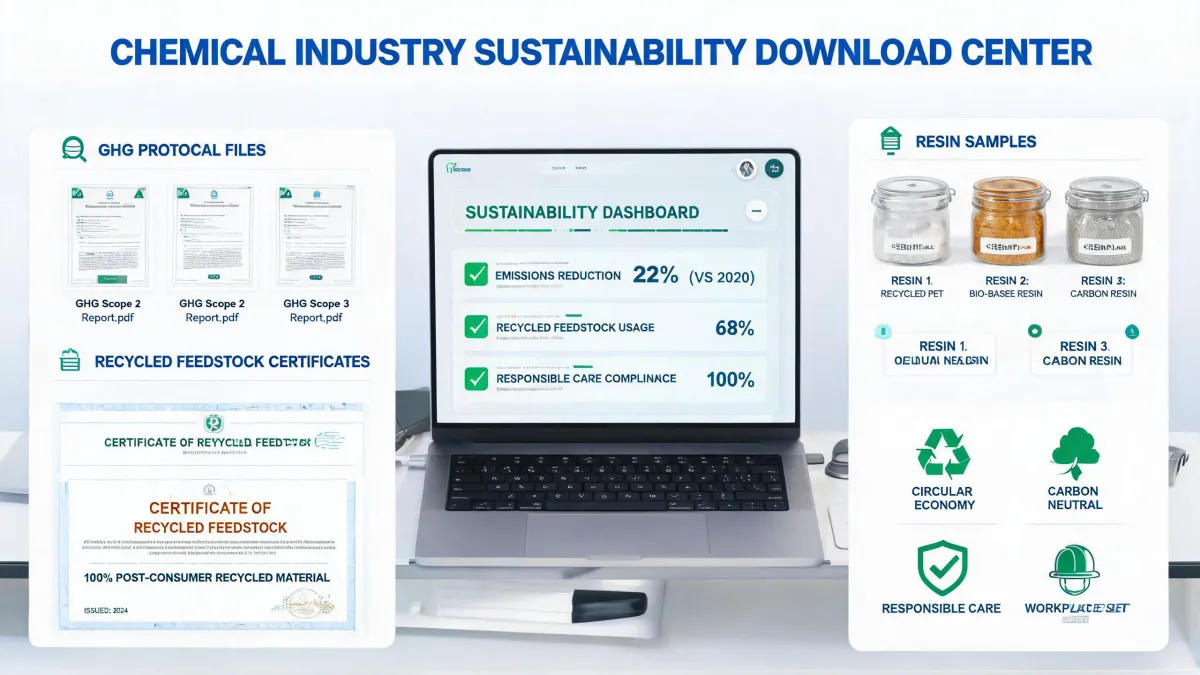
Includes Scope 1 and Scope 2 methodology, energy intensity, safety indicators, and site-level improvement examples.
Request reportExplains chain-of-custody rules, allocation boundaries, and the documentation customers should retain for audits.
Request statementSummarizes SDS Section 2, handling guidance, regulatory status, and escalation contacts for polymer families.
Open servicesProvides expectations for contractor safety, forced-labor prevention, conflict materials, and ethical sourcing.
Read disclosureGreenhouse gas data should be read with its stated boundary. A cradle-to-gate number is not the same as a full life-cycle footprint, and a plant average may not describe a specific grade, campaign, or transport route. Ineos encourages customers to request the calculation basis before using carbon data in bids, labels, or customer-facing literature. Where recycled or renewable feedstock is discussed, the supporting chain-of-custody documents and allocation rules matter as much as the percentage itself. Environmental statements also need to be separated from safety statements. A lower-carbon resin still requires the same SDS review, PPE planning, storage controls, and GHS classification review as conventional material.
Ask for report updates, revised SDS notifications, or chain-of-custody statements tied to your resin family.